
Fresh business and economy news from Europe
Provided by AGP
Activated Carbon Production Plant Setup, Feasibility Study, ROI Analysis and Business Plan Consultant
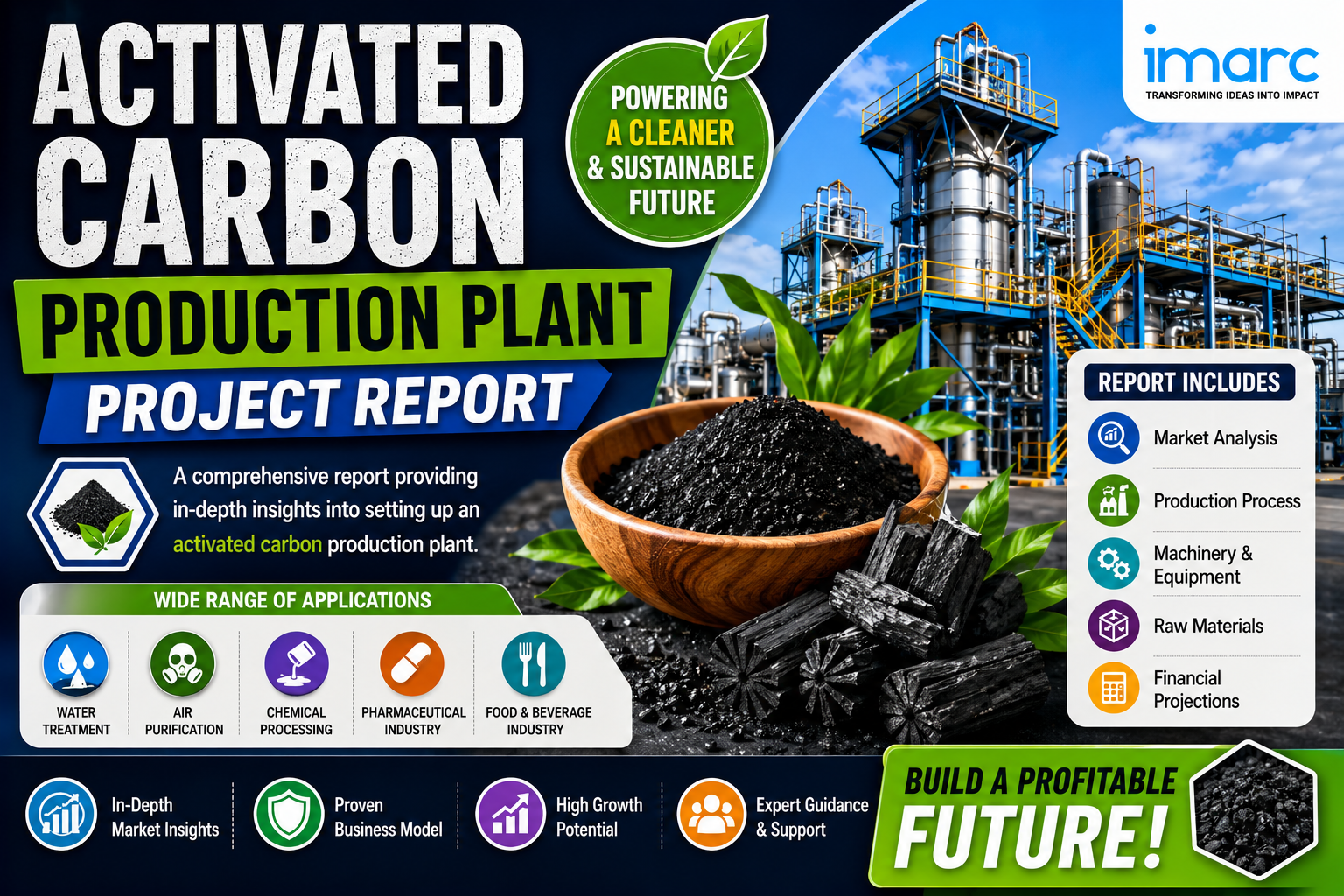
Activated Carbon Production Plant
A Detailed DPR Covering CapEx, OpEx, Carbonisation & Steam Activation Process, ROI & the Global Opportunity in Water Treatment, Air Purification, Gold Recovery
BROOKLYN, NY, UNITED STATES, May 19, 2026 /EINPresswire.com/ -- Setting up an activated carbon production plant gives you access to one of the most technically defensible positions in the specialty chemicals sector. Activated carbon is an irreplaceable adsorbent - no economically viable substitute exists for its role in municipal water treatment, industrial air purification, pharmaceutical processing, and gold recovery. Demand is regulatory-driven in the largest end markets: tightening water quality standards, air emission limits, and new contaminant categories (PFAS, microplastics) are continuously expanding the applications where activated carbon is not just preferred but mandated. India has a structural advantage in coconut shell activated carbon production that no other geography can easily replicate.IMARC Group’s Activated Carbon Production Plant Project Report is a complete DPR and activated carbon production feasibility study for investors, specialty chemical manufacturers, and project developers. It covers the full activated carbon production plant setup - beginning with coconut shell carbonisation and steam activation through screening, quality testing, and packaging - with complete activated carbon plant CapEx and OpEx modelling and 10-year financial projections.
𝐑𝐞𝐪𝐮𝐞𝐬𝐭 𝐟𝐨𝐫 𝐚 𝐒𝐚𝐦𝐩𝐥𝐞 𝐑𝐞𝐩𝐨𝐫𝐭: https://www.imarcgroup.com/activated-carbon-manufacturing-plant-project-report/requestsample
𝗜𝗻𝘃𝗲𝘀𝘁𝗺𝗲𝗻𝘁 𝗗𝗿𝗶𝘃𝗲𝗿𝘀 𝗮𝗻𝗱 𝗠𝗮𝗿𝗸𝗲𝘁 𝗢𝗽𝗽𝗼𝗿𝘁𝘂𝗻𝗶𝘁𝘆
Three demand forces are driving activated carbon investment across geographies:
𝗪𝗮𝘁𝗲𝗿 𝗾𝘂𝗮𝗹𝗶𝘁𝘆 𝗿𝗲𝗴𝘂𝗹𝗮𝘁𝗶𝗼𝗻𝘀 𝗺𝗮𝗻𝗱𝗮𝘁𝗶𝗻𝗴 𝗮𝗰𝘁𝗶𝘃𝗮𝘁𝗲𝗱 𝗰𝗮𝗿𝗯𝗼𝗻 𝘁𝗿𝗲𝗮𝘁𝗺𝗲𝗻𝘁: Activated carbon is the primary treatment technology for removal of organic compounds, pesticides, pharmaceuticals, PFAS, and odour-causing compounds from drinking water. Municipal water utilities worldwide are upgrading treatment plants under tightening regulatory frameworks. India’s National Clean Air Programme and Clean Ganga Mission have directly driven investment in activated carbon-based treatment systems. The US EPA and EU drinking water directives are setting maximum contaminant levels for PFAS and microplastics - both requiring granular activated carbon treatment - creating a multi-year infrastructure investment cycle that is just beginning.
𝗜𝗻𝗱𝘂𝘀𝘁𝗿𝗶𝗮𝗹 𝗲𝗺𝗶𝘀𝘀𝗶𝗼𝗻 𝗰𝗼𝗻𝘁𝗿𝗼𝗹𝘀 𝗮𝗻𝗱 𝗮𝗶𝗿 𝗽𝘂𝗿𝗶𝗳𝗶𝗰𝗮𝘁𝗶𝗼𝗻 𝘀𝘁𝗮𝗻𝗱𝗮𝗿𝗱𝘀 𝘁𝗶𝗴𝗵𝘁𝗲𝗻𝗶𝗻𝗴: VOC emission standards, industrial solvent recovery requirements, and air quality mandates in production zones are driving deployment of activated carbon-based gas treatment systems. China’s Blue Sky Action Plan and India’s National Clean Air Programme are the two largest programmes. Beyond industrial applications, the demand for air purification in residential and commercial settings - accelerated by post-pandemic awareness of indoor air quality - is creating a growing consumer-facing market for powdered and granular activated carbon in filter products.
𝗚𝗼𝗹𝗱 𝗿𝗲𝗰𝗼𝘃𝗲𝗿𝘆 𝗮𝗻𝗱 𝗽𝗵𝗮𝗿𝗺𝗮𝗰𝗲𝘂𝘁𝗶𝗰𝗮𝗹 𝗮𝗽𝗽𝗹𝗶𝗰𝗮𝘁𝗶𝗼𝗻𝘀 𝗽𝗿𝗼𝘃𝗶𝗱𝗶𝗻𝗴 𝗽𝗿𝗲𝗺𝗶𝘂𝗺 𝗽𝗿𝗶𝗰𝗶𝗻𝗴: Mining operations use activated carbon in carbon-in-pulp (CIP) and carbon-in-leach (CIL) circuits for gold extraction - an application that demands high-activity, physically robust carbon and generates premium-tier pricing. The pharmaceutical sector uses activated carbon for drug decolorisation, toxin removal, and API purification. In July 2025, Jacobi Carbons raised prices of all coconut shell activated carbons by 15–20% due to raw material cost pressures- a signal of sustained demand outpacing supply capacity in the premium segment.
𝗔𝗰𝘁𝗶𝘃𝗮𝘁𝗲𝗱 𝗖𝗮𝗿𝗯𝗼𝗻 𝗧𝘆𝗽𝗲𝘀 𝗮𝗻𝗱 𝗣𝗿𝗼𝗱𝘂𝗰𝘁 𝗥𝗮𝗻𝗴𝗲
An activated carbon production plant’s product range is defined by raw material, activation method, and physical form:
• 𝗚𝗿𝗮𝗻𝘂𝗹𝗮𝗿 𝗔𝗰𝘁𝗶𝘃𝗮𝘁𝗲𝗱 𝗖𝗮𝗿𝗯𝗼𝗻 (𝗚𝗔𝗖): A granular activated carbon production plant produces the largest volume product globally. Particle sizes from 0.4 to 4 mm. Used in fixed-bed water treatment columns, air filtration systems, and gold recovery circuits. GAC is regenerable - spent carbon can be thermally reactivated and reused, reducing lifecycle cost for large-scale municipal users.
• 𝗣𝗼𝘄𝗱𝗲𝗿𝗲𝗱 𝗔𝗰𝘁𝗶𝘃𝗮𝘁𝗲𝗱 𝗖𝗮𝗿𝗯𝗼𝗻 (𝗣𝗔𝗖): Fine powder below 0.075 mm. Used in liquid-phase batch treatment - food and beverage decolorisation, pharmaceutical purification, sugar refining, and edible oil bleaching. PAC is added directly to process streams and not regenerated.
• 𝗘𝘅𝘁𝗿𝘂𝗱𝗲𝗱 𝗽𝗲𝗹𝗹𝗲𝘁 𝗮𝗰𝘁𝗶𝘃𝗮𝘁𝗲𝗱 𝗰𝗮𝗿𝗯𝗼𝗻: Cylindrical pellets (1.5–4 mm diameter) extruded from powdered carbon. Used in gas-phase applications - solvent recovery, VOC abatement, biogas desulphurisation, and industrial air treatment. Lower pressure drop than GAC in packed beds.
• 𝗖𝗼𝗰𝗼𝗻𝘂𝘁 𝘀𝗵𝗲𝗹𝗹 𝗮𝗰𝘁𝗶𝘃𝗮𝘁𝗲𝗱 𝗰𝗮𝗿𝗯𝗼𝗻 (𝘀𝘁𝗲𝗮𝗺-𝗮𝗰𝘁𝗶𝘃𝗮𝘁𝗲𝗱): Premium product derived from coconut shell charcoal activated with steam at 800–1,100°C. Micropore-dominant pore structure gives superior adsorption capacity for small organic molecules in liquid-phase applications. The preferred grade for drinking water, pharmaceutical, gold recovery, and food processing. A steam activated carbon plant using coconut shell in India has a raw material cost advantage unavailable to coal or wood-based producers in most geographies.
• 𝗜𝗺𝗽𝗿𝗲𝗴𝗻𝗮𝘁𝗲𝗱 𝗮𝗰𝘁𝗶𝘃𝗮𝘁𝗲𝗱 𝗰𝗮𝗿𝗯𝗼𝗻: Carbon impregnated with metals (silver, copper, zinc, KI) or alkalis to address specific contaminants - mercury, hydrogen sulphide, radioactive iodine, and chemical warfare agents. Used in military, medical, and specialist industrial applications. Commands the highest per-kilogram pricing of any activated carbon grade.
𝗔𝗰𝘁𝗶𝘃𝗮𝘁𝗲𝗱 𝗖𝗮𝗿𝗯𝗼𝗻 𝗣𝗿𝗼𝗱𝘂𝗰𝘁𝗶𝗼𝗻 𝗣𝗹𝗮𝗻𝘁 𝗙𝗲𝗮𝘀𝗶𝗯𝗶𝗹𝗶𝘁𝘆 𝗥𝗲𝗽𝗼𝗿𝘁: https://www.imarcgroup.com/activated-carbon-manufacturing-plant-project-report
𝗛𝗼𝘄 𝗮𝗻 𝗔𝗰𝘁𝗶𝘃𝗮𝘁𝗲𝗱 𝗖𝗮𝗿𝗯𝗼𝗻 𝗣𝗿𝗼𝗱𝘂𝗰𝘁𝗶𝗼𝗻 𝗣𝗹𝗮𝗻𝘁 𝗪𝗼𝗿𝗸𝘀 - 𝗧𝗵𝗲 𝗖𝗮𝗿𝗯𝗼𝗻𝗶𝘀𝗮𝘁𝗶𝗼𝗻 𝗮𝗻𝗱 𝗦𝘁𝗲𝗮𝗺 𝗔𝗰𝘁𝗶𝘃𝗮𝘁𝗶𝗼𝗻 𝗣𝗿𝗼𝗰𝗲𝘀𝘀
Activated carbon production converts carbonaceous raw material into a highly porous adsorbent through two high-temperature stages. The pore structure created determines the product’s adsorption capacity and application suitability:
• 𝗥𝗮𝘄 𝗺𝗮𝘁𝗲𝗿𝗶𝗮𝗹 𝗽𝗿𝗲𝗽𝗮𝗿𝗮𝘁𝗶𝗼𝗻: Coconut shells are collected, crushed, and sized. Moisture content is reduced to below 15% before carbonisation. Shell quality -density, ash content, and maturity - directly affects final carbon quality. Consistent shell supply is the most critical operational variable for a coconut shell activated carbon plant
• 𝗖𝗮𝗿𝗯𝗼𝗻𝗶𝘀𝗮𝘁𝗶𝗼𝗻: Sized shells are fed into a rotary kiln or multi-hearth furnace at 400–700°C in a limited-oxygen atmosphere. Volatile compounds, moisture, and non-carbon elements are driven off, leaving a carbon-rich char with an undeveloped pore structure. This char is the intermediate product before activation
• 𝗦𝘁𝗲𝗮𝗺 𝗮𝗰𝘁𝗶𝘃𝗮𝘁𝗶𝗼𝗻: The char enters a second rotary kiln or activation furnace at 800–1,100°C. Steam is injected as the activating agent. Steam reacts with carbon at these temperatures, selectively oxidising carbon atoms and creating the intricate micropore network that gives activated carbon its characteristic high surface area (typically 800–1,200 m²/g). Activation temperature, steam flow rate, and residence time together control pore size distribution and surface area
• 𝗖𝗼𝗼𝗹𝗶𝗻𝗴: Activated carbon exits the furnace at high temperature and is cooled in a rotary cooler or water-cooled screw conveyor under controlled conditions to prevent oxidation
• 𝗦𝗰𝗿𝗲𝗲𝗻𝗶𝗻𝗴 𝗮𝗻𝗱 𝘀𝗶𝘇𝗶𝗻𝗴: Cooled carbon is screened to product specification. Oversize material is crushed. Fines are collected for pellet production or PAC applications. Particle size distribution is a key quality parameter for both GAC and PAC applications
• 𝗪𝗮𝘀𝗵𝗶𝗻𝗴 (𝗰𝗵𝗲𝗺𝗶𝗰𝗮𝗹 𝗮𝗰𝘁𝗶𝘃𝗮𝘁𝗶𝗼𝗻 𝗼𝗻𝗹𝘆): For phosphoric acid or zinc chloride-activated carbons, washing removes residual activation agent. Steam-activated coconut shell carbon typically requires only minimal washing to control ash and pH
• 𝗗𝗿𝘆𝗶𝗻𝗴 𝗮𝗻𝗱 𝗺𝗼𝗶𝘀𝘁𝘂𝗿𝗲 𝗰𝗼𝗻𝘁𝗿𝗼𝗹: Final product moisture is adjusted to specification. Excess moisture reduces apparent density and is penalised in pricing. Insufficient moisture control risks spontaneous ignition during packaging
• 𝗤𝘂𝗮𝗹𝗶𝘁𝘆 𝘁𝗲𝘀𝘁𝗶𝗻𝗴 𝗮𝗻𝗱 𝗽𝗮𝗰𝗸𝗮𝗴𝗶𝗻𝗴: Iodine number, methylene blue number, CTC activity, BET surface area, ash content, pH, and particle size are tested per batch. Product is packaged in 25 kg bags, 1 MT big bags, or bulk containers depending on customer specification
𝗣𝗹𝗮𝗻𝘁 𝗜𝗻𝘃𝗲𝘀𝘁𝗺𝗲𝗻𝘁 𝗘𝗰𝗼𝗻𝗼𝗺𝗶𝗰𝘀
𝗣𝗿𝗼𝗱𝘂𝗰𝘁𝗶𝗼𝗻 𝗖𝗮𝗽𝗮𝗰𝗶𝘁𝘆:
• The proposed production facility is designed with an annual production capacity ranging between 10,000–20,000 MT, enabling economies of scale while maintaining operational flexibility
𝗣𝗿𝗼𝗳𝗶𝘁𝗮𝗯𝗶𝗹𝗶𝘁𝘆 𝗕𝗲𝗻𝗰𝗵𝗺𝗮𝗿𝗸𝘀:
• Gross Profit: 35–45%
• Net Profit: 15–20% after financing costs, depreciation, and taxes
𝗢𝗽𝗲𝗿𝗮𝘁𝗶𝗻𝗴 𝗖𝗼𝘀𝘁 (𝗢𝗽𝗘𝘅) 𝗕𝗿𝗲𝗮𝗸𝗱𝗼𝘄𝗻:
• Raw Materials (coconut shells): 50–60% of total OpEx. Coconut shell price and availability are the primary cost and supply risk variables
• Utilities: 25–30% of OpEx - high-temperature activation at 800–1,100°C makes activated carbon one of the most energy-intensive specialty chemical processes
𝗔𝗰𝘁𝗶𝘃𝗮𝘁𝗲𝗱 𝗖𝗮𝗿𝗯𝗼𝗻 𝗣𝗹𝗮𝗻𝘁 𝗖𝗮𝗽𝗘𝘅 𝗖𝗼𝗺𝗽𝗼𝗻𝗲𝗻𝘁𝘀:
• 𝗟𝗮𝗻𝗱 𝗮𝗻𝗱 𝗳𝗮𝗰𝘁𝗼𝗿𝘆: raw material storage yard, carbonisation kiln bay, activation kiln hall, cooling and screening area, packaging hall, quality laboratory
• 𝗖𝗼𝗿𝗲 𝗽𝗿𝗼𝗰𝗲𝘀𝘀 𝗲𝗾𝘂𝗶𝗽𝗺𝗲𝗻𝘁: carbonisation rotary kiln, activation rotary kiln or multi-hearth furnace, rotary cooler, vibratory screening system, milling and pelletisation equipment
• 𝗦𝘂𝗽𝗽𝗼𝗿𝘁 𝘀𝘆𝘀𝘁𝗲𝗺𝘀: steam generation unit, kiln gas treatment and afterburner, dust collection systems, material handling conveyors
• 𝗨𝘁𝗶𝗹𝗶𝘁𝗶𝗲𝘀: fuel supply (natural gas, furnace oil, or biomass), power supply, water treatment
• 𝗣𝗿𝗲-𝗼𝗽𝗲𝗿𝗮𝘁𝗶𝘃𝗲 𝗰𝗼𝘀𝘁𝘀: BIS certification, product testing, customer qualification trials, quality system setup (ISO 9001), and initial working capital
𝗚𝗹𝗼𝗯𝗮𝗹 𝗠𝗮𝗿𝗸𝗲𝘁 𝗮𝗻𝗱 𝗥𝗲𝗴𝗶𝗼𝗻𝗮𝗹 𝗗𝗲𝗺𝗮𝗻𝗱
The global activated carbon market, valued at USD 489.54 million in 2025, is projected to reach USD 802.12 million by 2034 at a CAGR of 5.64%. Asia Pacific leads both production and consumption, driven by large-scale water treatment programmes, air quality initiatives, and domestic coconut shell raw material availability.
𝗜𝗻𝗱𝗶𝗮: India combines the world’s most competitive coconut shell supply base with growing domestic demand from water utilities, pharmaceutical manufacturers, and industrial polluters under NCAP. Key manufacturers include Kalpaka Chemicals (Tuticorin, 18,600 MT/year), Suneeta Carbons, Raj Carbon, and Active Char Products. India exported activated carbon to over 230 trade destinations in the twelve months to October 2024. New PFAS and microplastic removal standards being adopted from international frameworks are creating a new domestic demand segment for premium-grade GAC.
𝗔𝘀𝗶𝗮 𝗣𝗮𝗰𝗶𝗳𝗶𝗰: The largest production and consumption region. India, China, Japan, and Southeast Asia account for the bulk of both coconut shell and coal-based activated carbon output. India’s National Clean Air Programme and Clean Ganga Mission are sustained institutional demand drivers. India is the third-largest global exporter of activated carbon by value, with Southern India’s coconut shell abundance making it the natural hub for premium liquid-phase carbon production.
𝗡𝗼𝗿𝘁𝗵 𝗔𝗺𝗲𝗿𝗶𝗰𝗮: The largest market for PFAS treatment - the US EPA’s enforceable maximum contaminant levels for six PFAS compounds, effective 2026–2029, will require GAC treatment system installation at thousands of utilities. This is a multi-year, multi-billion-dollar infrastructure cycle. Key producers include Calgon Carbon (Kuraray) and Carbon Activated Corporation.
𝗘𝘂𝗿𝗼𝗽𝗲: Strict drinking water and industrial air emission directives drive consistent demand. EU Industrial Emissions Directive revisions are tightening VOC standards across chemical, pharma, and printing sectors. Key producers include Jacobi Carbons (Osaka Gas), Cabot Norit, and Inaqua. In October 2024, Unilin’s carbon recycling investment in France confirmed ongoing European interest in circular activated carbon infrastructure.
𝗠𝗶𝗱𝗱𝗹𝗲 𝗘𝗮𝘀𝘁 𝗮𝗻𝗱 𝗔𝗳𝗿𝗶𝗰𝗮: Growing water treatment infrastructure investment across Saudi Arabia, UAE, Egypt, and sub-Saharan Africa. Gold mining in West Africa and East Africa creates demand for mining-grade activated carbon. Both segments are active procurement markets for Indian and Southeast Asian exporters.
𝗦𝗶𝘁𝗲 𝗦𝗲𝗹𝗲𝗰𝘁𝗶𝗼𝗻 𝗮𝗻𝗱 𝗣𝗼𝗹𝗶𝗰𝘆 𝗦𝘂𝗽𝗽𝗼𝗿𝘁
Location decisions for an activated carbon plant setup directly affect raw material cost, energy access, and export logistics:
• 𝗖𝗼𝗰𝗼𝗻𝘂𝘁 𝘀𝗵𝗲𝗹𝗹 𝗽𝗿𝗼𝘅𝗶𝗺𝗶𝘁𝘆: Southern India - Tamil Nadu, Kerala, Karnataka, and Andhra Pradesh - is the primary coconut shell producing belt. A plant within 100–200 km of this zone accesses shells at the lowest possible delivered cost and avoids the supply chain risk inherent in long-distance raw material logistics. This proximity advantage is the foundation of Indian activated carbon production unit cost competitiveness
• 𝗘𝗻𝗲𝗿𝗴𝘆 𝘀𝘂𝗽𝗽𝗹𝘆 𝗾𝘂𝗮𝗹𝗶𝘁𝘆 𝗮𝗻𝗱 𝗰𝗼𝘀𝘁: Activation at 800–1,100°C requires continuous, reliable high-temperature energy. Natural gas or furnace oil are the standard fuels. Biomass-fired systems using wood waste or agro-residue are used by cost-conscious operators but require larger infrastructure. Industrial zones with reliable grid power and gas pipelines simplify energy supply
• 𝗣𝗼𝗿𝘁 𝗮𝗻𝗱 𝗲𝘅𝗽𝗼𝗿𝘁 𝗮𝗰𝗰𝗲𝘀𝘀: India is a major activated carbon exporter. Plants near Tuticorin, Chennai, or Kochi ports have direct access to container shipping to the US, Europe, Japan, and the Middle East. Export-oriented units benefit from MEIS/RoDTEP incentives and duty drawback on inputs
• 𝗘𝗻𝘃𝗶𝗿𝗼𝗻𝗺𝗲𝗻𝘁𝗮𝗹 𝗰𝗹𝗲𝗮𝗿𝗮𝗻𝗰𝗲: Kiln operations generate particulate and gaseous emissions requiring air pollution control under CPCB/SPCB norms. Afterburner installation for kiln off-gases is mandatory. Industrial zones with existing environmental compliance infrastructure reduce clearance timeline
• 𝗚𝗼𝘃𝗲𝗿𝗻𝗺𝗲𝗻𝘁 𝘀𝘂𝗽𝗽𝗼𝗿𝘁: India-PMEGP and MSME support for small-scale activated carbon plant investment; state-level industrial subsidies in Tamil Nadu and Kerala. Export incentives under RoDTEP. Clean technology production credits available under Atmanirbhar Bharat production schemes
𝗥𝗲𝗽𝗼𝗿𝘁 𝗖𝗼𝘃𝗲𝗿𝗮𝗴𝗲
IMARC Group’s Activated Carbon Plant Project Report is a complete activated carbon production business plan and technical reference:
• 𝗙𝘂𝗹𝗹 𝗽𝗿𝗼𝗰𝗲𝘀𝘀 𝗳𝗹𝗼𝘄 𝘄𝗶𝘁𝗵 𝗺𝗮𝘀𝘀 𝗯𝗮𝗹𝗮𝗻𝗰𝗲: from coconut shell preparation through carbonisation, steam activation, cooling, screening, testing, and dispatch
• 𝗔𝗰𝘁𝗶𝘃𝗮𝘁𝗲𝗱 𝗰𝗮𝗿𝗯𝗼𝗻 𝗽𝗹𝗮𝗻𝘁 𝗖𝗮𝗽𝗘𝘅 𝗯𝗿𝗲𝗮𝗸𝗱𝗼𝘄𝗻: carbonisation and activation kilns, cooling system, screening and sizing equipment, steam generator, and emission control systems
• 𝟭𝟬-𝘆𝗲𝗮𝗿 𝗢𝗽𝗘𝘅 𝗽𝗿𝗼𝗷𝗲𝗰𝘁𝗶𝗼𝗻𝘀: coconut shell procurement, energy costs, labour, maintenance, and activated carbon plant OpEx sensitivity to shell price
• 𝗙𝗶𝗻𝗮𝗻𝗰𝗶𝗮𝗹 𝗺𝗼𝗱𝗲𝗹: activated carbon plant ROI, IRR, NPV, DSCR, break-even, and sensitivity tables across shell price and capacity utilisation scenarios
• 𝗠𝗮𝗰𝗵𝗶𝗻𝗲𝗿𝘆 𝘀𝗽𝗲𝗰𝗶𝗳𝗶𝗰𝗮𝘁𝗶𝗼𝗻𝘀: rotary kiln versus multi-hearth furnace comparison; sourcing from Indian, German, and Chinese equipment suppliers
• 𝗣𝗿𝗼𝗱𝘂𝗰𝘁 𝗺𝗶𝘅 𝘀𝘁𝗿𝗮𝘁𝗲𝗴𝘆: GAC versus PAC versus pellets versus impregnated carbon - margin and application market comparison
• 𝗔𝗰𝘁𝗶𝘃𝗮𝘁𝗲𝗱 𝗰𝗮𝗿𝗯𝗼𝗻 𝗽𝗹𝗮𝗻𝘁 𝘀𝗲𝘁𝘂𝗽 𝗰𝗼𝘀𝘁 𝗯𝗲𝗻𝗰𝗵𝗺𝗮𝗿𝗸𝗶𝗻𝗴: across different capacity configurations and feedstock types
• 𝗥𝗲𝗴𝘂𝗹𝗮𝘁𝗼𝗿𝘆 𝗰𝗼𝗺𝗽𝗹𝗶𝗮𝗻𝗰𝗲: BIS IS 877 certification, export quality standards, emission control requirements, ISO 9001 quality system
The report is built for specialty chemical investors evaluating an activated carbon plant investment, water treatment companies considering captive carbon production, mining operators evaluating onsite gold recovery carbon supply, and banks requiring a bankable activated carbon production feasibility study for project financing.
𝐁𝐫𝐨𝐰𝐬𝐞 𝐌𝐨𝐫𝐞 𝐅𝐞𝐚𝐬𝐢𝐛𝐢𝐥𝐢𝐭𝐲 𝐒𝐭𝐮𝐝𝐲 𝐚𝐧𝐝 𝐁𝐮𝐬𝐢𝐧𝐞𝐬𝐬 𝐏𝐥𝐚𝐧 𝐑𝐞𝐩𝐨𝐫𝐭𝐬 𝐛𝐲 𝐈𝐌𝐀𝐑𝐂 𝐆𝐫𝐨𝐮𝐩:
• 𝗖𝗼𝗰𝗼 𝗣𝗲𝗮𝘁 𝗠𝗮𝗻𝘂𝗳𝗮𝗰𝘁𝘂𝗿𝗶𝗻𝗴 𝗣𝗹𝗮𝗻𝘁 𝗣𝗿𝗼𝗷𝗲𝗰𝘁 𝗥𝗲𝗽𝗼𝗿𝘁: https://www.imarcgroup.com/coco-peat-manufacturing-plant-project-report
• 𝗖𝗼𝗽𝗽𝗲𝗿 𝗖𝗮𝗯𝗹𝗲 𝗠𝗮𝗻𝘂𝗳𝗮𝗰𝘁𝘂𝗿𝗶𝗻𝗴 𝗣𝗹𝗮𝗻𝘁 𝗣𝗿𝗼𝗷𝗲𝗰𝘁 𝗥𝗲𝗽𝗼𝗿𝘁: https://www.imarcgroup.com/copper-cable-manufacturing-plant-project-report
• 𝗗𝗶𝘀𝗽𝗼𝘀𝗮𝗯𝗹𝗲 𝗦𝘆𝗿𝗶𝗻𝗴𝗲 𝗠𝗮𝗻𝘂𝗳𝗮𝗰𝘁𝘂𝗿𝗶𝗻𝗴 𝗣𝗹𝗮𝗻𝘁 𝗣𝗿𝗼𝗷𝗲𝗰𝘁 𝗥𝗲𝗽𝗼𝗿𝘁: https://www.imarcgroup.com/disposable-syringe-manufacturing-plant-project-report
• 𝗗𝗿𝘂𝗴 𝗠𝗮𝗻𝘂𝗳𝗮𝗰𝘁𝘂𝗿𝗶𝗻𝗴 𝗣𝗹𝗮𝗻𝘁 𝗣𝗿𝗼𝗷𝗲𝗰𝘁 𝗥𝗲𝗽𝗼𝗿𝘁: https://www.imarcgroup.com/drug-manufacturing-plant-project-report
• 𝗘𝗴𝗴 𝗣𝗼𝘄𝗱𝗲𝗿 𝗠𝗮𝗻𝘂𝗳𝗮𝗰𝘁𝘂𝗿𝗶𝗻𝗴 𝗣𝗹𝗮𝗻𝘁 𝗣𝗿𝗼𝗷𝗲𝗰𝘁 𝗥𝗲𝗽𝗼𝗿𝘁: https://www.imarcgroup.com/egg-powder-manufacturing-plant-project-report
• 𝗘𝗹𝗲𝗰𝘁𝗿𝗶𝗰 𝗠𝗼𝘁𝗼𝗿 𝗠𝗮𝗻𝘂𝗳𝗮𝗰𝘁𝘂𝗿𝗶𝗻𝗴 𝗣𝗹𝗮𝗻𝘁 𝗣𝗿𝗼𝗷𝗲𝗰𝘁 𝗥𝗲𝗽𝗼𝗿𝘁: https://www.imarcgroup.com/electric-motor-manufacturing-plant-project-report
• 𝗘𝗹𝗲𝗰𝘁𝗿𝗶𝗰 𝗦𝗰𝗼𝗼𝘁𝗲𝗿 𝗠𝗮𝗻𝘂𝗳𝗮𝗰𝘁𝘂𝗿𝗶𝗻𝗴 𝗣𝗹𝗮𝗻𝘁 𝗣𝗿𝗼𝗷𝗲𝗰𝘁 𝗥𝗲𝗽𝗼𝗿𝘁: https://www.imarcgroup.com/electric-scooter-manufacturing-plant-project-report
• 𝗙𝗹𝗼𝘄 𝗕𝗮𝘁𝘁𝗲𝗿𝘆 𝗠𝗮𝗻𝘂𝗳𝗮𝗰𝘁𝘂𝗿𝗶𝗻𝗴 𝗣𝗹𝗮𝗻𝘁 𝗣𝗿𝗼𝗷𝗲𝗰𝘁 𝗥𝗲𝗽𝗼𝗿𝘁: https://www.imarcgroup.com/flow-battery-manufacturing-plant-project-report
• 𝗦𝗶𝗹𝗶𝗰𝗮 𝗥𝗮𝗺𝗺𝗶𝗻𝗴 𝗠𝗮𝘀𝘀 𝗠𝗮𝗻𝘂𝗳𝗮𝗰𝘁𝘂𝗿𝗶𝗻𝗴 𝗣𝗹𝗮𝗻𝘁 𝗣𝗿𝗼𝗷𝗲𝗰𝘁 𝗥𝗲𝗽𝗼𝗿𝘁: https://www.imarcgroup.com/silica-ramming-mass-manufacturing-plant-project-report
• 𝗦𝗼𝗱𝗮 𝗪𝗮𝘁𝗲𝗿 𝗠𝗮𝗻𝘂𝗳𝗮𝗰𝘁𝘂𝗿𝗶𝗻𝗴 𝗣𝗹𝗮𝗻𝘁 𝗣𝗿𝗼𝗷𝗲𝗰𝘁 𝗥𝗲𝗽𝗼𝗿𝘁: https://www.imarcgroup.com/soda-water-manufacturing-plant-project-report
𝗔𝗯𝗼𝘂𝘁 𝗜𝗠𝗔𝗥𝗖 𝗚𝗿𝗼𝘂𝗽
IMARC Group is a global market research and management consulting firm. Its plant setup and DPR practice serves investors, developers, government agencies, and banks across 50+ countries, delivering reports used for loan documentation, investment approvals, and engineering planning.
Elena Anderson
IMARC Services Private Limited
201-971-6302
email us here
Legal Disclaimer:
EIN Presswire provides this news content "as is" without warranty of any kind. We do not accept any responsibility or liability for the accuracy, content, images, videos, licenses, completeness, legality, or reliability of the information contained in this article. If you have any complaints or copyright issues related to this article, kindly contact the author above.
